Why This Book Matters for Every Educator
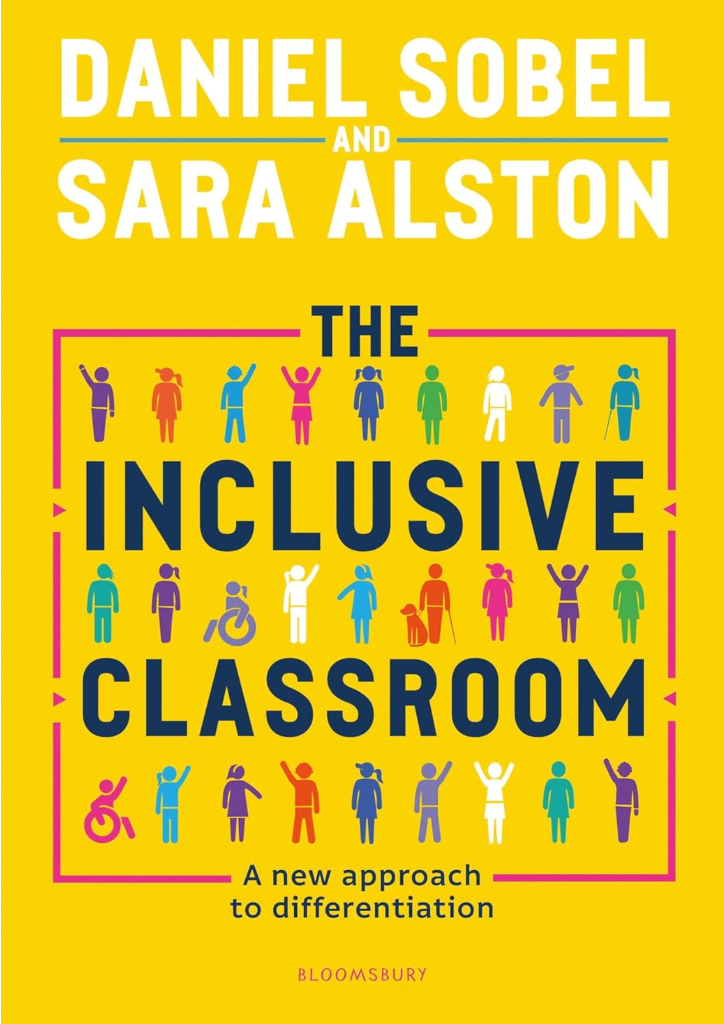
The Inclusive Classroom is a thoughtful and practical guide for professionals who want to build learning environments where all children can thrive. From the first chapter I was struck by how the authors highlight inclusion not as a set of strategies for some learners but as a mindset that shapes teaching, relationships and the culture of a whole school.
As a SENDCo and Nurture Base Lead rooted in attachment theory and relational practice I am passionate about approaches that support the wellbeing and brain capacity of every child. Inclusion is not about segregation of learners or differentiated practice that isolates students. It is about designing learning experiences that acknowledge diversity and celebrate the unique ways children engage with content and each other.
Inclusion Works for Everyone
One of the core strengths of this book is its insistence that inclusive teaching should start with the whole class. When we implement strategies that support regulation, engagement and participation for every learner we remove barriers and enhance learning for all. Practical approaches such as varied entry points to tasks, sensory supports in classroom routines and flexible grouping do not only help learners with additional needs. They support children who find transitions hard, who struggle with attention, who thrive on movement and even those who appear confident and capable.
This is a critical idea. It acknowledges that all children benefit when teaching is accessible, engaging and responsive. A classroom that is truly inclusive does not separate learners into those who need support and those who do not. Instead it designs learning so that everyone can access the curriculum and demonstrate what they know in ways that work for them.
Strategies That Build Capacity
What makes The Inclusive Classroom especially useful is how it connects pedagogy with developmental understanding. For example in nurture informed practice we talk about the importance of regulation and co-regulation before we talk about cognition. This book complements that thinking by showing how classroom routines, expectations and interactions can support the development of attention, persistence and flexible thinking within the flow of everyday learning.
Strategies that are often first introduced for learners who find school hard can be a revelation for the whole group. Clear visual routines, predictable transitions, opportunities for movement, choice in how work is presented and environments that allow children to regulate their bodies and emotions benefit children who are still developing executive function as well as those who struggle only sometimes.
In my experience when adults design instruction with the most vulnerable learners in mind they often find that engagement, behaviour and participation improve across the classroom community. Supportive practices and relational scaffolding create safe contexts in which brains can be ready to learn.
Connection and Belonging
Attachment theory reminds us that children learn best when they feel connected and secure. This book echoes that principle at a classroom level. It stresses the importance of relationships not only for learners with observable challenges but for everyone in the classroom. When children feel seen heard and valued they are more open to challenge and more resilient in the face of difficulty.
The strategies presented encourage teachers to build environments where children’s voices are respected, where differences are normalised and where success is defined in multiple ways. This resonates with nurture based thinking and with inclusive pedagogy that privileges access over compliance.
Practical and Reflective
The Inclusive Classroom does not overwhelm with theory. It offers concrete examples, reflective questions and ideas that can be adapted to individual contexts. It invites educators to think not only about individual interventions but about the culture of the classroom. It reminds us that inclusive practice is a journey not a checklist.
Final Thoughts
This book is a vital read for teachers, teaching assistants, SENCOs, pastoral leads and school leaders. It challenges us to think bigger than differentiation that isolates learners and encourages us to design learning environments that support all children to grow and succeed.
Inclusion is not about creating support systems for a few. It is about recognising that every learner brings a unique profile of strengths and needs. When we respond to that diversity with thoughtful whole class strategies we create classrooms where brains are supported to develop and where every child feels a sense of belonging.
Highly recommended for professionals committed to building inclusive, relational and brain supportive learning environments that benefit all learners.